What is Hash? The Ultimate Guide to Traditional Hashish
Hash isn’t new.
It’s the original concentrate.
Before cartridges, before diamonds, before all the noise… there was hashish. Pressed by hand, traded across mountains and deserts, carried in pockets and stories. It’s simple, it’s powerful, and when it’s made right, it still hits in a way nothing else quite does.
This is the real deal. Let’s get into it.
What is Hash?
Hash, or hashish, is concentrated cannabis made from the trichome heads of the plant. Those tiny, crystal-like glands are where all the good stuff lives—flavor, aroma, and effect.
You separate those trichomes, collect them, and press them into a dense, workable form. That’s it.
No solvents.
No additives.
Just the plant, refined.
How Hash is Made
There are a lot of ways to process cannabis these days, but not all of them are the same. Here’s the split:
Traditional Hash (the Sitka lane)
- Dry sifted from cured flower
- Collected through fine screens
- Pressed by hand
- Sometimes aged or cured for deeper character
This is the old-world method. It’s slower, more tactile, and every batch carries the fingerprint of the material and the maker.
Modern Concentrates
- Bubble hash (ice water extraction)
- Rosin (heat + pressure)
- Hydrocarbon extracts
These methods can be great in their own right, but they’re a different conversation. Traditional hash is closer to the plant’s original form—less engineered, more interpreted.
Types of Hashish
Hash shows up differently depending on where it’s made and how it’s handled.
Sitka Lebanese-Style Hashish
Dark on the outside light and cakey in the miiddle, sometimes reddish or golden. Known for an aromatic and pliable texture. With and a smooth, mellow experience. Dry-sift.
Moroccan Hashish
Typically dry sift, pressed into bricks or slabs. Earthy, spicy, and widely recognized.
Afghan Hashish
Darker, softer, sometimes almost pliable. Rich, deep aroma and heavier effects.
Dry Sift
What we focus on. Cleanly separated trichomes, worked into hash without water or solvents.
Bubble Hash
Made with ice water and filtration bags. Can be very expensive, especially at the top end. known for full melt characteristics. does not share the same deep aroma as hashish, and favors fresh strain-specific flavors.
How to Smoke Hash
There’s no single “right” way, but there are a few time-tested methods:
In a Joint or Bowl
Break off a small piece and sprinkle it into flower. This is the easiest entry point.
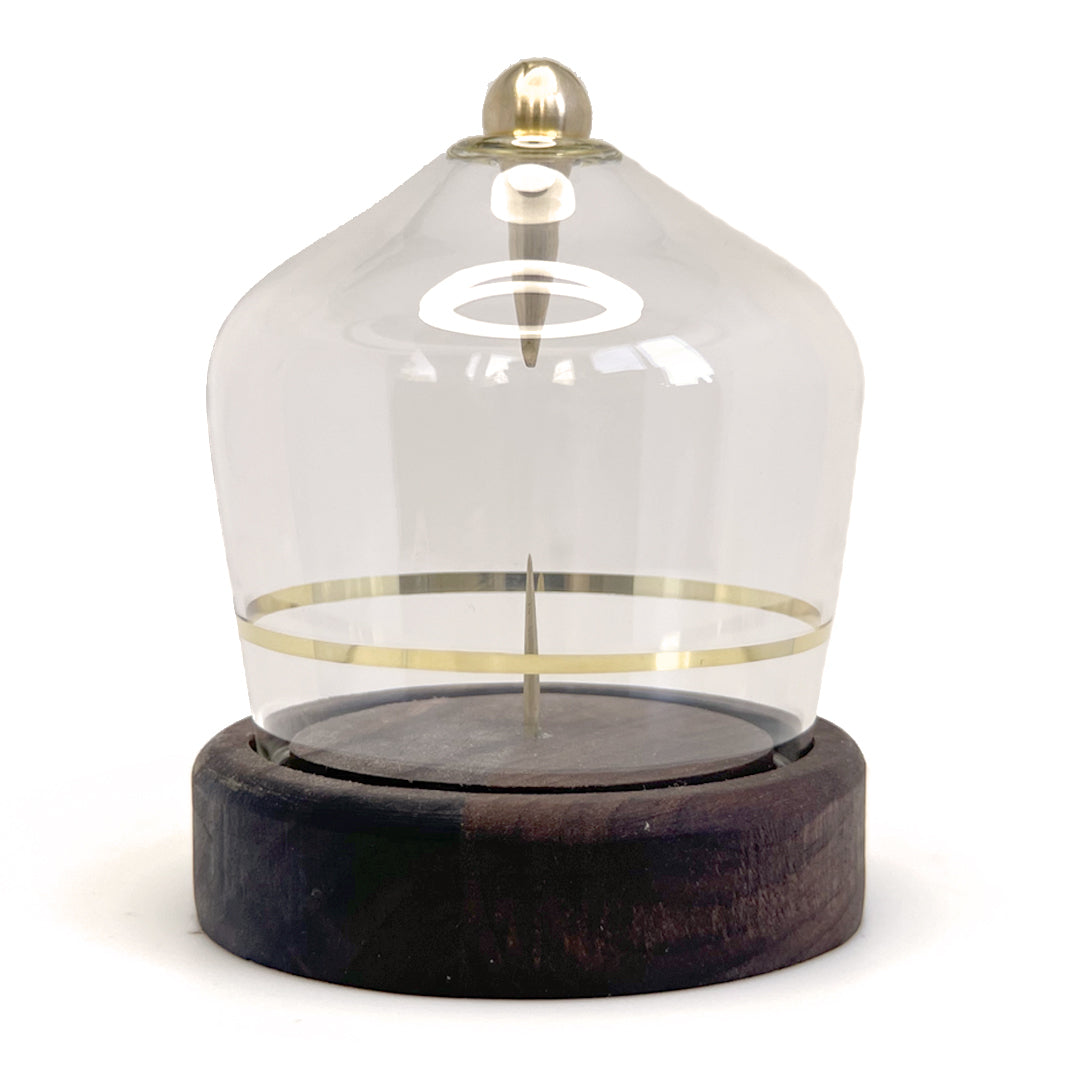
Under Glass (Dome Method)
Light the hash, let it cherry, and cover it with a glass. Let the smoke collect, then inhale. Slow, flavorful, and intentional.
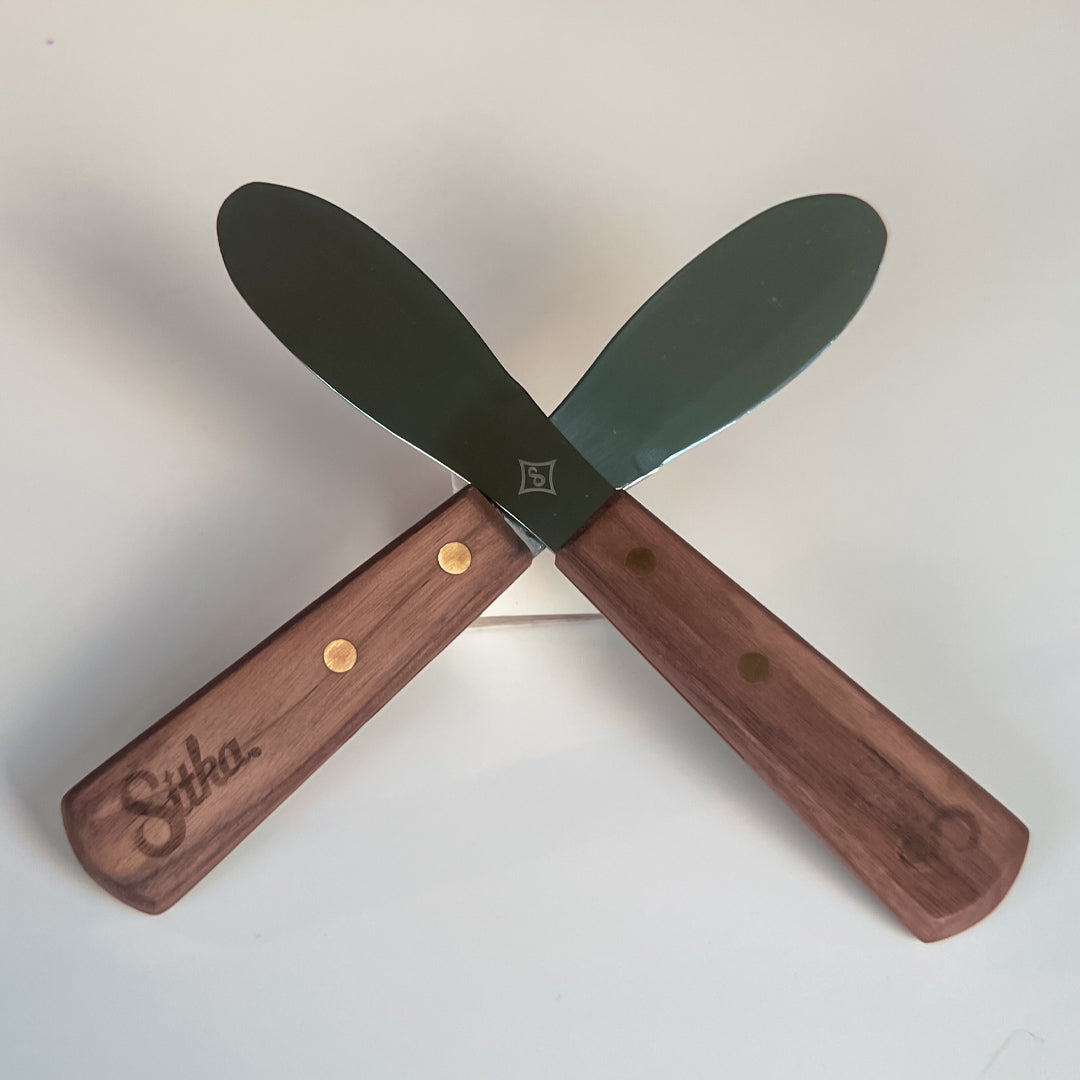
Hot Knives
Old school. Heat two blades, press the hash between them, and inhale the vapor. Not fancy, but it works.
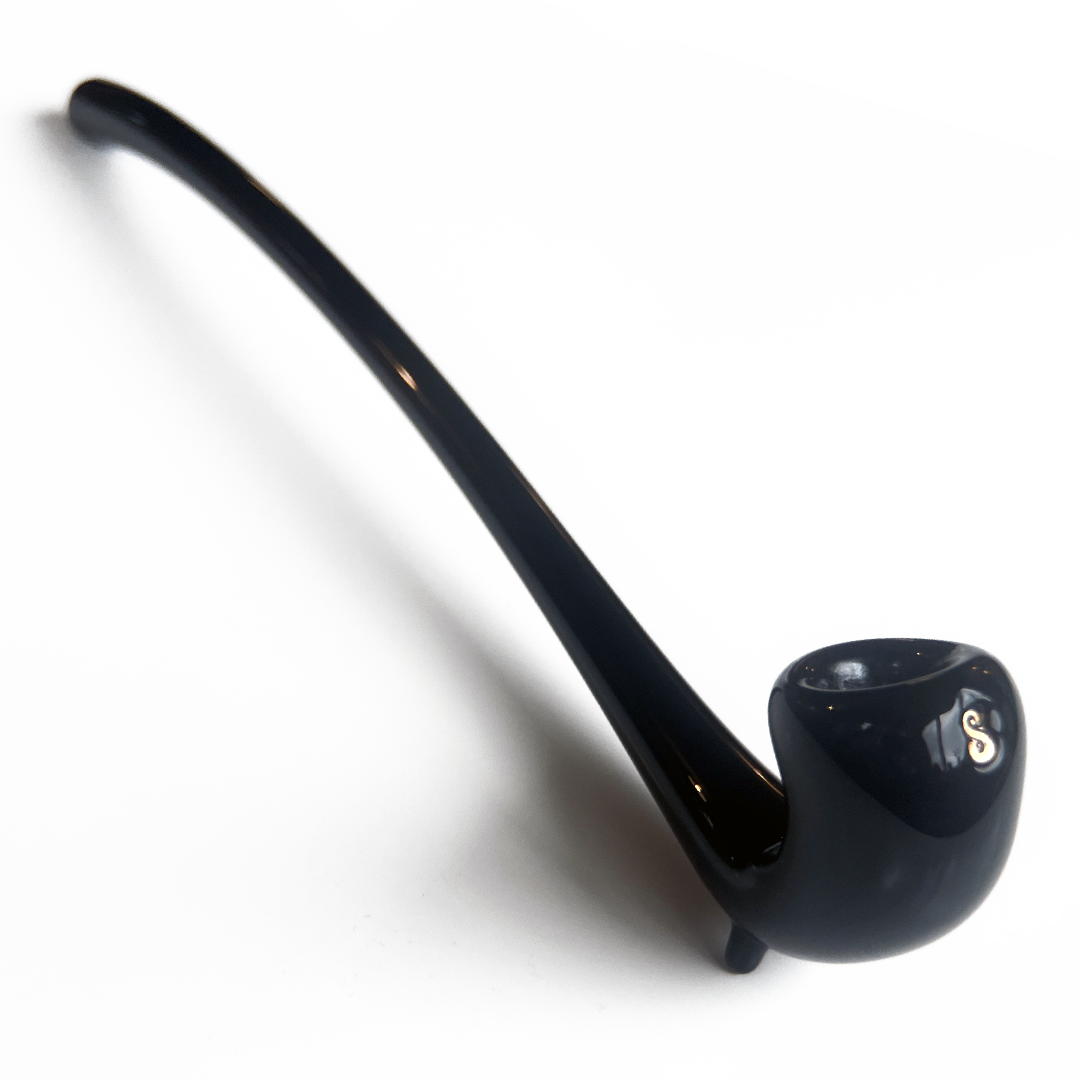
Pipe or Dedicated Hash Piece
Works great if the airflow is right and the material is handled properly.
What Does Hash Feel Like?
Good hash isn’t just stronger—it’s different.
- The effect tends to come on a little slower than straight flower
- It settles in deeper and hangs around longer
- The experience is often more rounded, more layered and nuanced
It’s less about a spike and more about a glide.
Why Traditional Hash Still Matters
In a world chasing higher numbers and faster processes, traditional hash does the opposite.
It slows things down.
It values:
- the starting material
- the hands that make it
- the time it takes to do it right
You can smell where it came from. You can feel the difference in how it burns, how it melts, how it carries flavor.
Hash is a time capsule. It’s alive. You’re not just consuming it—you’re stepping into a conversation that’s been going on for a thousand years.
Where Sitka Fits In
At Sitka Hash House, we focus on traditional dry sift hashish, made without solvents and without shortcuts.
We’re not trying to reinvent cannabis.
We’re trying to preserve something that already mattered.
Every batch reflects the plant, the strain, and the process it went through to get there.
If you’ve never had properly made hash before, this is where it starts to make sense.
Frequently Asked Questions
Is hash stronger than weed?
Generally, yes. Hash is concentrated, so you’re getting more cannabinoids per hit. That said, the experience can feel smoother and more balanced.
What’s the difference between hash and kief?
Kief is loose, unpressed trichomes. Hash is kief that’s been collected and pressed into a solid form.
Does hash smell?
Yes, but often differently than flower. It can be more earthy, spicy, or rich depending on the style.
How long does hash last?
If stored properly (cool, dark, airtight), hash can stay good for a long time—and in some cases even improve with age.
Is hash legal in Washington?
Yes, within the regulated cannabis market for adults 21+. Always follow local laws and purchase through licensed retailers.
Final Thought
There’s a reason hash has stuck around this long.
It doesn’t need hype.
It doesn’t need reinvention.
When it’s made right, it speaks for itself.
And once you understand it, you start to realize—
this was the point all along.

One Response
Great content! Keep up the good work!